Winter Prep: How to Prepare Your Home for Winter in South Africa

Lauren Morling
Last updated 6 July 2025
In this article
While South Africa doesn’t face as harsh winter conditions as many European countries, it’s still important to prepare your home for winter to stay comfortable, energy-efficient and safe from potential weather-related damage. From installing a wood-burning fireplace to investing in a gas stove, there are many ways you can make your life easier this winter without spending a fortune. Here are key steps to consider to prep your home for winter before the colder months hit:
1. Insulate Your Home
Don’t underestimate the power of insulation, especially in winter.
Roof Insulation
A well-insulated roof retains heat which can help you cut down on heating costs significantly and maintain a comfortable indoor temperature all year round. Consider installing or upgrading your home’s insulation materials to improve its energy efficiency. If you live in colder cold climates (e.g., Johannesburg, Pretoria, Western Cape), opt for insulation with a higher R-value to retain heat effectively. A minimum thickness of 135mm is recommended. In humid climates (e.g., KwaZulu-Natal), a minimum thickness of 100mm is suitable.
Choosing the right material is key. Think Pink Aerolite is a fiberglass insulation known for its high thermal resistance and long lifespan, suitable for colder regions. For complex roof designs or materials like fiberglass, we recommend hiring a professional for quality installation.
Seal Windows and Doors
Inspect your home for drafts and seal any gaps with weatherstripping or caulking to prevent heat loss between the door and the frame. Materials like foam or rubber are often used for this purpose. Installing a door sweep at the bottom of the door also helps block drafts where the door meets the threshold. This simple addition can make a big difference when the temperature drops.
You may also need to check the alignment of your doors. Misalignment can create gaps that allow drafts through You may need to adjust the hinges or strike plates to achieve a proper fit. Placing draft stoppers, such as door snakes, at the base of doors can block drafts effectively as a temporary solution. These can be purchased or made at home using materials like fabric filled with sand or rice.
2. Inspect and Maintain the Roof
Inspect and maintain your roof for all weather.
Check for Damage
Examine the roof of your home for missing or damaged shingles or tiles, and repair them promptly to prevent leaks during winter storms. Regular roof inspections can prevent minor issues from escalating into costly repairs later down the line. A well-maintained roof with proper insulation helps retain heat, leading to lower heating bills during winter. What’s more, regular inspections and maintenance can prolong your roof’s lifespan by addressing issues promptly.
Clear Gutters
Your gutters will need to work harder in winter, especially in areas like Cape Town that face winter rainfall. Make sure your gutters are ready for the harsher weather by removing any debris to ensure proper drainage and prevent water damage. Clogged gutters can cause leaks and structural issues. Maintaining your clean gutters is important for protecting your home from water-related damage. If you’re unsure, consider hiring a professional to inspect your gutters and repair or replace any damaged parts.
3. Think About Heating
Don’t forget about heating prep before the cold months.
Service your Existing Heating Systems
Have your heating systems, such as air-conditioning, fireplaces, gas heaters, or electric heaters, serviced by professionals to ensure they’re working safely and efficiently during the colder months. Regular maintenance can extend the lifespan of your heating systems and ensure optimal performance.
Invest in a Wood-Burning Fireplace
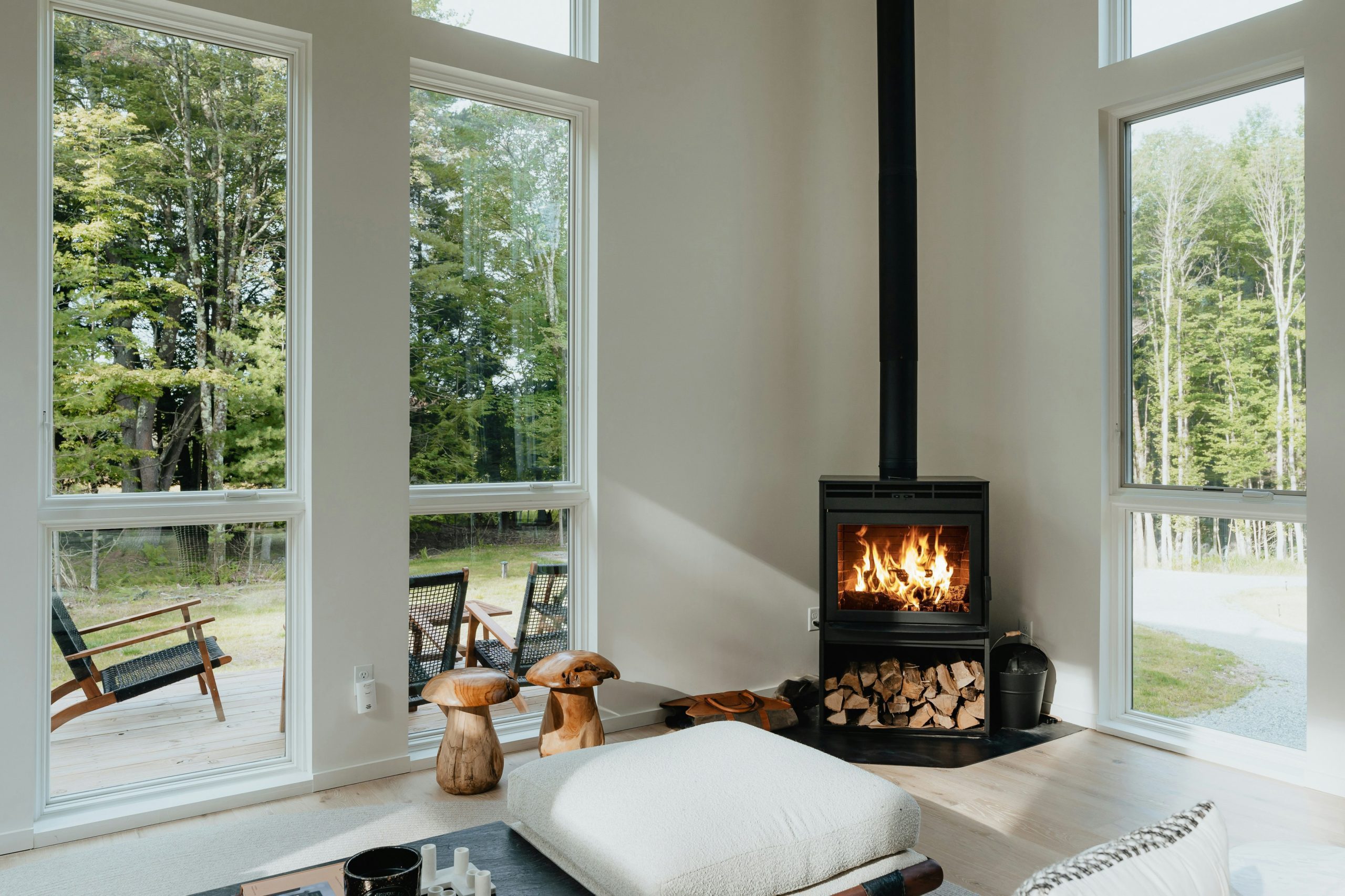
As South Africa’s homes are less designed for the cold, investing in a wood-burning combustion fireplace can be a game-changer for making it through the winter months. Speak to a knowledgeable installer for advice on the size of the stove you need for the space you’re looking to heat. You want to get the size just right. Too small and it won’t be powerful enough to heat your home. Too large and you’re spending more than you need to. Yasin from Benji’s Fireplaces is our recommended installer.
Tried and tested Constructify provider: Benjis’ Fireplaces
4. Focus on Indoor Comfort
Indoor comfort is key when the temperatures drop.
Use Heavy Curtains
If you don’t have time to call out a contractor to perform more major works on your home, there are a few DIY projects you can do yourself that can make a big difference. Installing heavy, block-out or thermal curtains will keep the heat in and block out cold air. Closing curtains at night can significantly reduce heat loss through windows. You can install these yourself if you have standard-height walls or have a seamstress make them up for you.
Add Rugs and Carpets
If you have tiles or laminate flooring, consider placing rugs or carpets on bare floors to provide additional insulation and warmth underfoot. This simple and cost-effective addition can make your bedroom and living spaces more comfortable during winter. If budget doesn’t allow, the most cost-effective winter prep method is to invest in good-quality blankets. Keep soft fleecy throws or woolly blankets accessible in living areas and bedrooms to add comfort and warmth when needed.
5. Prepare for Power Outages
Don’t forget about loadshedding.
Gas Cookers
As loadshedding is not uncommon, make sure you have emergency supplies, including flashlights, batteries, and non-perishable food items, readily available. Gas cookers can be an excellent way to avoid disruption during outages as you can still cook and make tea or coffee during loadshedding. Many stores sell portable gas cookers with small gas cannisters to cook and boil water. If budget allows, invest in a stovetop gas cooker.
Go Solar
While it’s true that solar energy generation decreases in winter due to shorter daylight hours and increased cloud cover, installing solar panels is still a worthwhile investment for winter prep In regions like the Western Cape, winter months typically experience around 9 hours of sunlight per day, compared to up to 14 hours in summer. Despite this, solar panels can still generate a substantial amount of electricity. Solar technology has improved panel efficiency, performing well even under overcast conditions.
Investing in solar energy can lead to significant savings on electricity bills, especially with the rising cost of electricity in South Africa. While solar panels are effective year-round, their performance can be influenced by factors such as panel orientation, tilt angle, and shading. In Cape Town, for example, the energy output during winter can be less than half of that in summer. To achieve optimal performance, it may be necessary to install a larger solar capacity compared to regions like Pretoria or Johannesburg.
6. Protect Plumbing
Insulate exposed pipes, especially in unheated areas, to prevent freezing and potential bursts. Pipe insulation materials are affordable and can save you from costly repairs. This proactive measure can prevent significant water damage.
Get Ready for Winter with Constructify
By following these steps for winter prep, you can create a warm, safe, and energy-efficient environment in your home during the South African winter months. Looking for a reliable contractor to carry out much-needed work on your home before the winter months? Find them on Constructify.